5 Comic Book Movie Failures That Could Actually Start Full Franchises
May 7, 2026
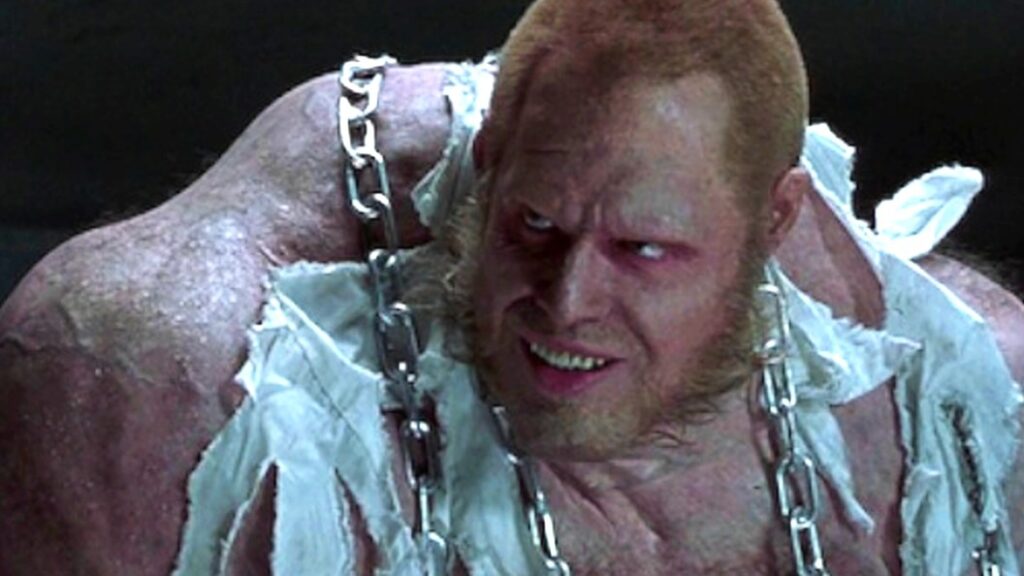
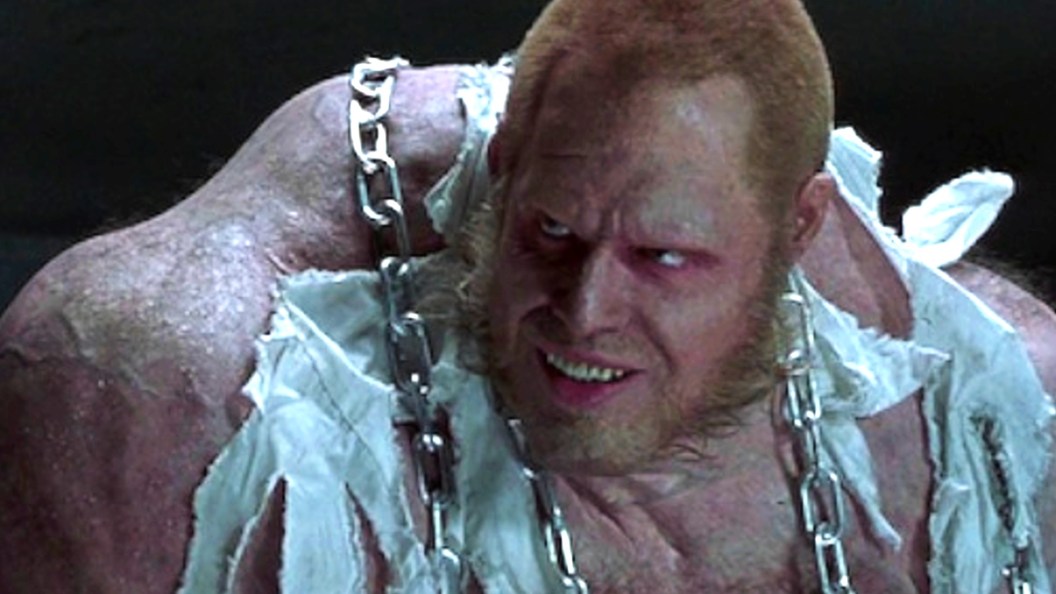
Thanks to the monumental success of Marvel and DC over the last two decades, mainstream audiences associate comic books exclusively with superheroes. These corporate brands are so massive that even when an adaptation bombs at the box office, studio executives simply take a step back and start preparing the next iteration of those classic characters. Consequently, an initial failure for a flagship character is treated as a temporary setback rather than a definitive franchise killer, allowing DC and Marvel to continue to dominate the box office. Furthermore, the financial safety net provided by capes and cowls allows studios to continuously reboot recognizable properties, treating theatrical misfires as minor obstacles.
However, there are plenty of comic books that are not focused on superheroes, many of which have genuine franchise potential. Sadly, without the protective umbrella of a sprawling universe, independent or non-superhero comic adaptations face a more unforgiving theatrical landscape, and a single bad movie is enough to bury incredibly interesting concepts in their inception. Fortunately, the depth of these fictional worlds remains intact on the page, waiting for a studio willing to tap into the expansive lore that a prior cinematic attempt failed to launch properly.
5) Judge Dredd
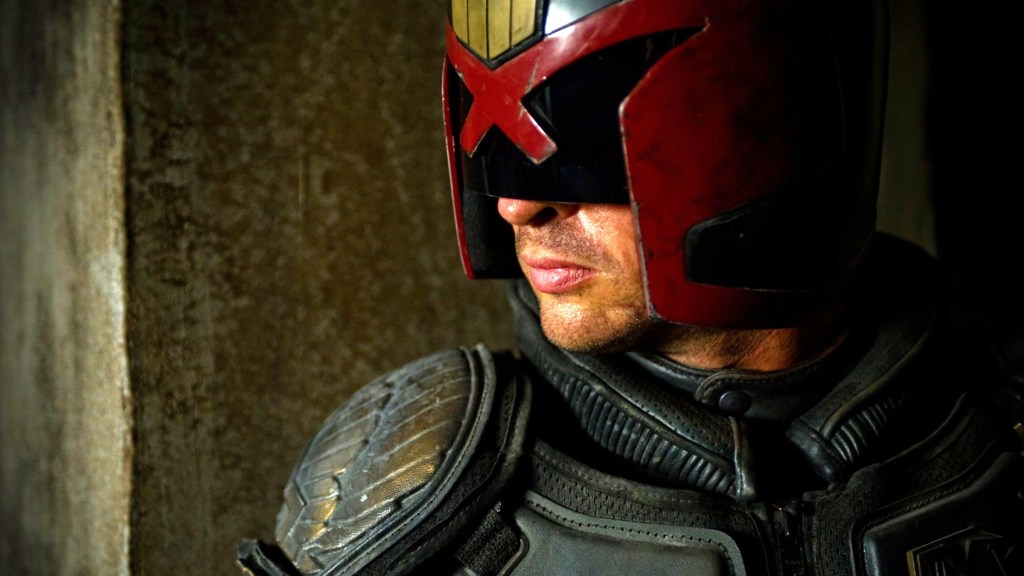
The 1995 adaptation of Judge Dredd stands as a notorious cinematic misfire that completely alienated its core audience by stripping the 2000 AD comic of its sharp satirical bite. The studio’s decision to have Judge Dredd (Sylvester Stallone) remove his helmet fundamentally violated the character’s defining visual rule. Decades later, Pete Travis’s 2012 reboot, Dredd, successfully captured the claustrophobic brutality of Mega-City One and kept the helmet firmly on the titular lawman, played by Karl Urban. However, despite critical praise and an incredibly faithful execution, the 2012 feature bombed at the box office, grossing a mere $41 million against a $45 million budget.

That financial failure immediately halted any momentum for a sequel, leaving the property dormant despite aggressive fan campaigns. Still, the world of Mega-City One possesses an incredibly deep lore filled with mutated wastelands and the terrifying Dark Judges, providing the perfect foundation for a massive franchise if a studio can finally balance the property’s dark tone with commercial viability.
4) Valerian and the City of a Thousand Planets

Luc Besson’s Valerian and the City of a Thousand Planets attempted to bring the massively influential French comic series Valérian and Laureline to a global audience, resulting in one of the most expensive independent box office bombs in history. The visual execution of the Alpha space station was genuinely staggering, effectively rendering a metropolis housing thousands of alien species. The narrative, however, collapsed under a weak script and a fundamental lack of chemistry between Valerian (Dane DeHaan) and Laureline (Cara Delevingne).
The 2017 feature buried an intellectual property that heavily inspired the Star Wars franchise, wasting a universe that could easily become a franchise. The comic books offer decades of temporal paradoxes, cosmic diplomacy, and vibrant planetary exploration that provide the perfect material for multiple movies and TV shows. By prioritizing practical storytelling over overwhelming visual effects, a studio has the blueprint to relaunch Valerian as a premier science-fiction saga.
3) Heavy Metal
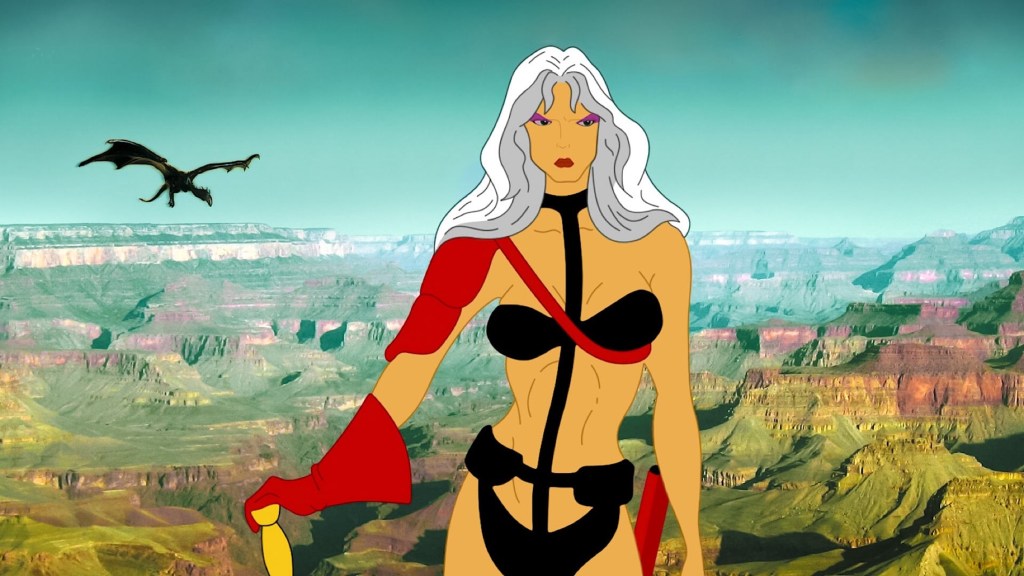
The Heavy Metal brand possesses an adult-oriented science-fiction identity that Hollywood has repeatedly struggled to translate into a sustainable theatrical franchise. The 1981 animated anthology achieved cult status by adapting the visually striking and mature stories from the legendary magazine, but its contained structure prevented it from launching a cohesive cinematic universe. The subsequent 2000 sequel proved disastrous, diluting the transgressive edge of the publication into an uninspired narrative that effectively killed the property’s theatrical momentum for decades.
Currently, Range Media is attempting to revive the brand with a new reboot, signaling that the industry still recognizes the value of the IP. That’s great news, as a properly structured Heavy Metal franchise could offer a premier destination for R-rated animated science fiction, maybe taking inspiration from the magazine to invite a rotating roster of visionary directors to adapt the best dystopian and dark fantasy serials.
2) Conan the Barbarian
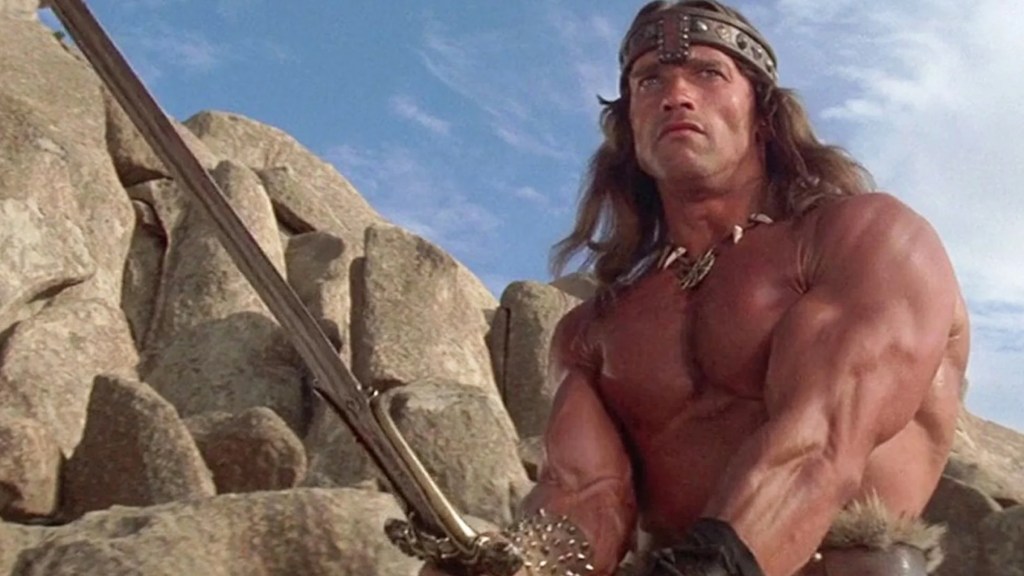
John Milius’s Conan the Barbarian delivered a gritty origin story for Conan (Arnold Schwarzenegger) that solidified the fantasy genre in 1982. However, while the feature is widely respected and far from a bad movie, it fundamentally failed to ignite the sprawling, multi-film cinematic universe that Robert E. Howard’s pulp creation warranted.
The property devolved into the heavily sanitized Conan the Destroyer before languishing in development hell, eventually leading to a disastrous 2011 reboot that buried the character’s cinematic viability. However, the Hyborian Age is a meticulously detailed fantasy setting filled with ancient sorcery, diverse kingdoms, and cosmic horrors that easily rival any contemporary fantasy world. Schwarzenegger recently confirmed his return for a new film titled King Conan under 20th Century Studios, teasing that the industry finally understands the long-term franchise potential of an aging, battle-weary barbarian ruling a fractured kingdom.
1) The League of Extraordinary Gentlemen
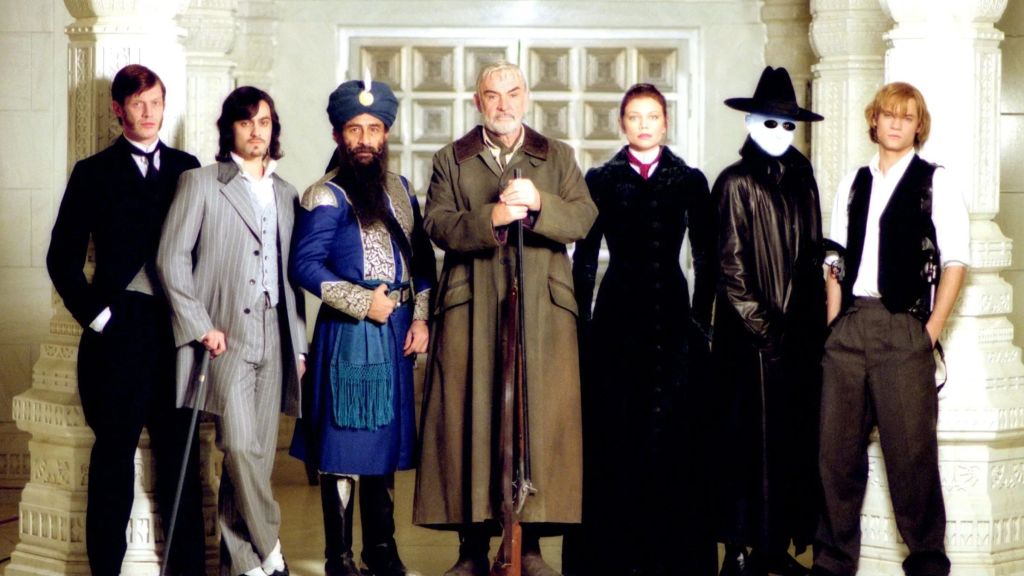
Stephen Norrington’s The League of Extraordinary Gentlemen became infamous for drastically altering Alan Moore and Kevin O’Neill’s seminal graphic novel, resulting in a critical failure that prematurely ended the acting career of its lead star. For starters, the 2003 adaptation abandoned the subversive deconstruction of Victorian literature in favor of a conventional blockbuster template. Then, by turning complex figures like Allan Quatermain (Sean Connery) and Captain Nemo (Naseeruddin Shah) into a standard superhero team, the film stripped the intellectual property of its unique identity.
Behind the cinematic failure of The League of Extraordinary Gentlemen lies one of the most brilliant concepts in comic book history, capable of sustaining a massive universe of literary mythology. In 2022, Hulu was developing a reboot with screenwriter Justin Haythe, proving that the underlying premise of assembling Victorian-era icons remains an incredibly valuable foundation for a modern franchise. However, since it’s been a while since we heard about the project, it’s unlikely it will materialize.
Which failed comic book movie do you think deserves a second chance to become a massive cinematic franchise? Leave a comment below and join the conversation now in the ComicBook Forum!
Source: Read original source
More from The Comic Stand: Explore more comic news, convention listings, artist features, collectibles, and collector resources from The Comic Stand. Comic News | Comic Cons | Comic Artists | Shop
Explore More from The Comic Stand
Find more comic news, convention listings, artist profiles, collectibles, and community features from The Comic Stand.
Comic NewsComic ConsComic ArtistsComic CommunityShop CollectiblesNewsletter SignupAbout The Comic StandContact